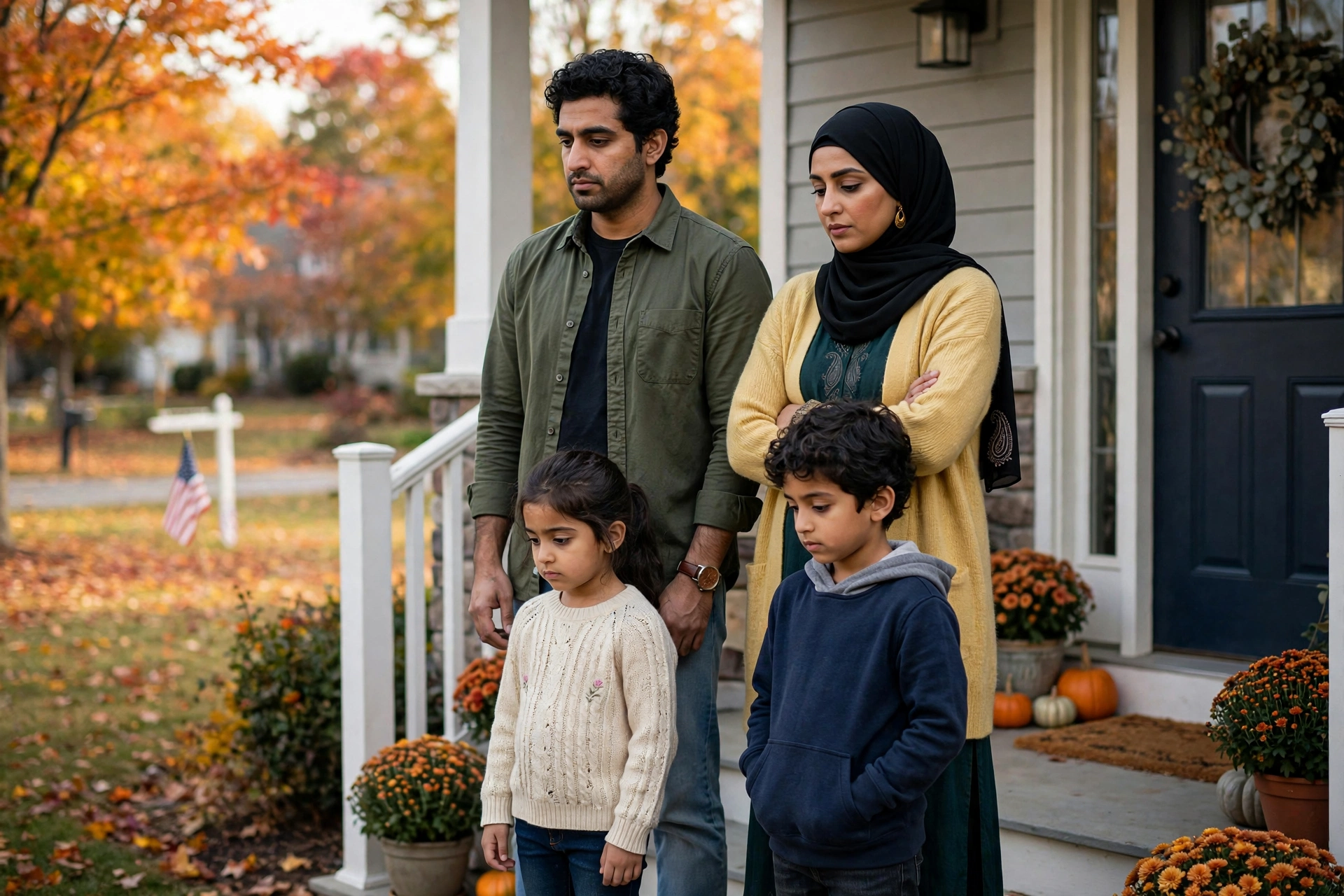
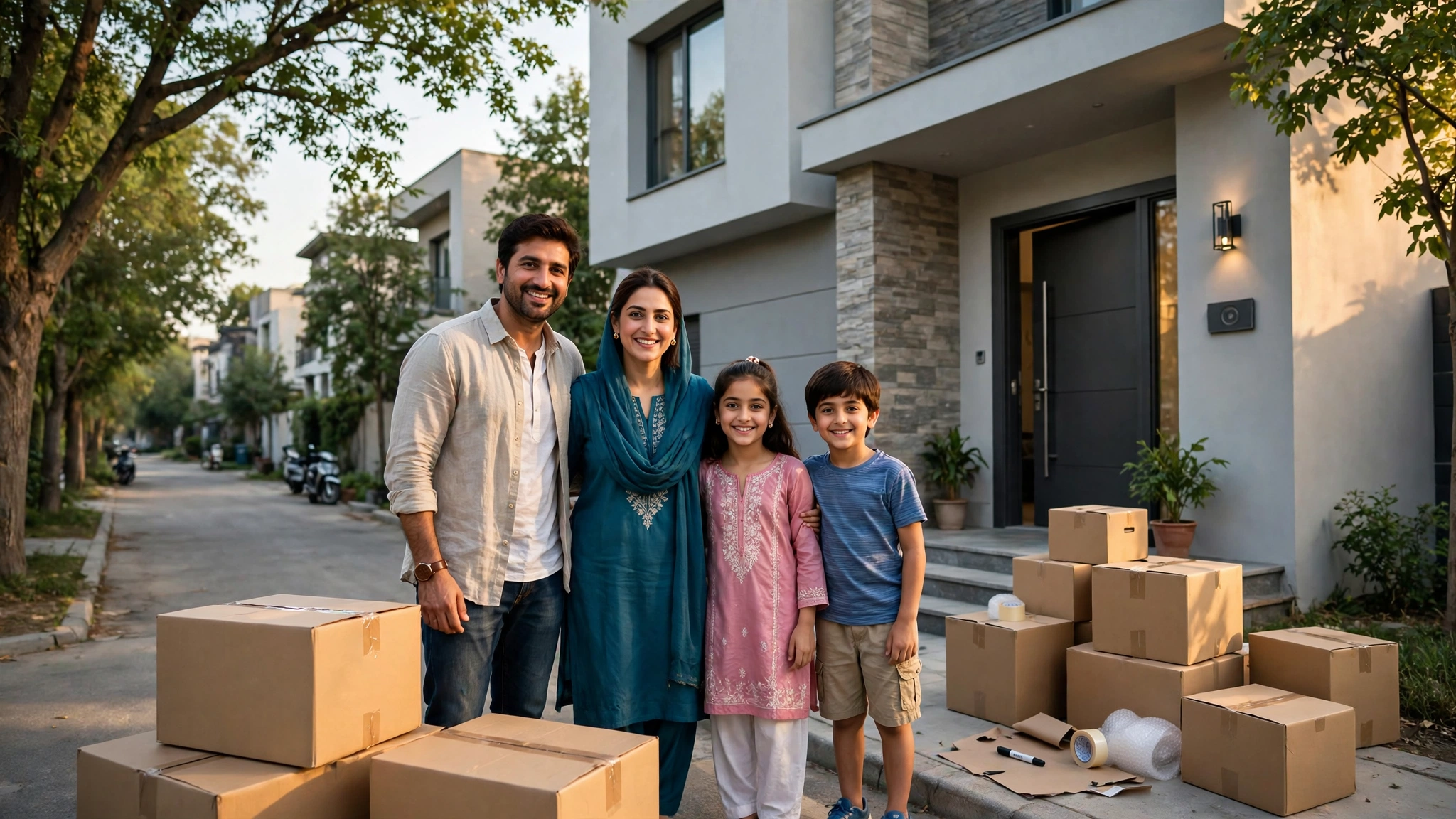
Ask any tenant in Lahore about their last renewal and you'll usually get a sigh. The landlord wants more, the agent wants a fresh commission, and moving to a cheaper street means a longer commute and a new school run. In July 2026, Profit reported that rising rents in central Lahore and the major housing societies are pushing middle class families, salaried workers and people who've moved from other cities toward the suburbs, with some tenants saying flat rents had nearly doubled in two years. So the old question is back with real urgency: should you keep renting, or is it time to buy?
What renting in Lahore costs right now
The Profit report cited average monthly rents from property portal data as of March 2026. These are broad averages across all property sizes, so treat them as a rough guide rather than a quote for any particular house:
- Gulberg: above Rs600,000 on average
- DHA Lahore: around Rs281,000 on average, with one kanal houses in some phases at Rs300,000 to Rs400,000 and five marla houses above Rs100,000
- Johar Town: around Rs224,000
- Bahria Town: around Rs165,000
- Faisal Town, Iqbal Town, Samanabad, Muslim Town: roughly Rs25,000 to Rs35,000 for two marla houses and Rs60,000 to Rs75,000 for three marla
Market participants quoted in the report pointed to inflation, higher construction costs, rising property values, investment by overseas Pakistanis and a shortage of affordable housing. Families squeezed out are moving toward areas like LDA Avenue, Raiwind Road, Jubilee Town and Bahria Orchard. And because private rents aren't fixed by the government, there's no ceiling on renewals beyond what you negotiate under the Punjab Rented Premises Act.
The case for renting
Renting isn't "throwing money away", whatever your uncle says. It has real advantages.
Flexibility. If your job might move you to Islamabad or the Gulf in two years, renting keeps you free.
Lower monthly cost in prime areas. In expensive locations, the rent on a house is often a small percentage of what the house would cost to buy. Your savings may grow faster elsewhere.
No big upfront hit. Buying ties up a large sum in a down payment, transfer costs and taxes. Renting leaves that money liquid.
The case for buying
Rent only goes one way. Every renewal resets the price. Owning locks in your housing cost, or at least turns it into a loan installment that doesn't rise with every agent's mood.
Stability for children. No forced moves, no school changes because the landlord's nephew needs the house.
Mortgages are easier now. The State Bank's August 2026 rules allow banks to finance up to 90% of a property's value over as long as 30 years, which brings buying within reach for more salaried families. Read our guide on Pakistan's new home loan rules before you apply, because the same year also brought a much tougher foreclosure law.
A simple way to do the math
You don't need a spreadsheet to get a first answer. Try this.
Step 1: find the yearly rent as a share of price. Take the annual rent of a house you'd actually live in and divide it by that house's sale price. For example, if a house rents for Rs100,000 a month (Rs1.2 million a year) and sells for Rs40 million, rent is 3% of the price each year. These are illustrative numbers, so plug in real ones from your own search.
Step 2: compare that to the cost of owning. The cost of owning is your loan interest, plus what your down payment could have earned in a bank product, plus maintenance and taxes. If the rent percentage is clearly lower than your yearly cost of owning, renting is cheaper for now. If it's close, or higher, buying starts to win, especially once you count future rent increases.
Step 3: add your time horizon. Buying usually pays off only if you stay put for several years, because transfer costs, taxes and agent fees eat into the first years. If you'll stay five years or more, lean toward buying. If less than three, lean toward renting.
In prime areas like Gulberg and much of DHA, the rent percentage tends to be low, which often makes renting cheaper month to month. In the city's growing belts, where families are now moving, prices are lower relative to rent, and buying a smaller house can make much more sense. Ask us for current figures before you decide; we can share live DHA rates and comparable rents.
If you decide to buy, buy carefully
The worst outcome is escaping high rent by buying in the wrong place. The suburbs that renters are moving to include well established schemes and some that are far less certain. Before you pay anything:
- Confirm the scheme's approval using our LDA approval guide.
- Prefer a ready or near ready house over a file if you need to move in soon.
- Check the daily commute at rush hour, not on a quiet Sunday.
- Look at the society's water, electricity and security, not just the gate.
If Bahria Town is on your list, our honest look at whether Bahria Town Lahore is a good place to live is worth a read first.
So, buy or rent?
If you have stable income, plan to stay in Lahore for five years or more, and can buy in an approved area without stretching past what you can comfortably repay, 2026 is a reasonable year to stop renting, especially with easier mortgage rules. If your job or plans are uncertain, or you're eyeing a prime area where rents are low compared with prices, renting a little longer while you save a bigger down payment is a perfectly sensible choice. The right answer is the one that fits your family's numbers, not your neighbour's. If you want help running yours, message our Lahore team.