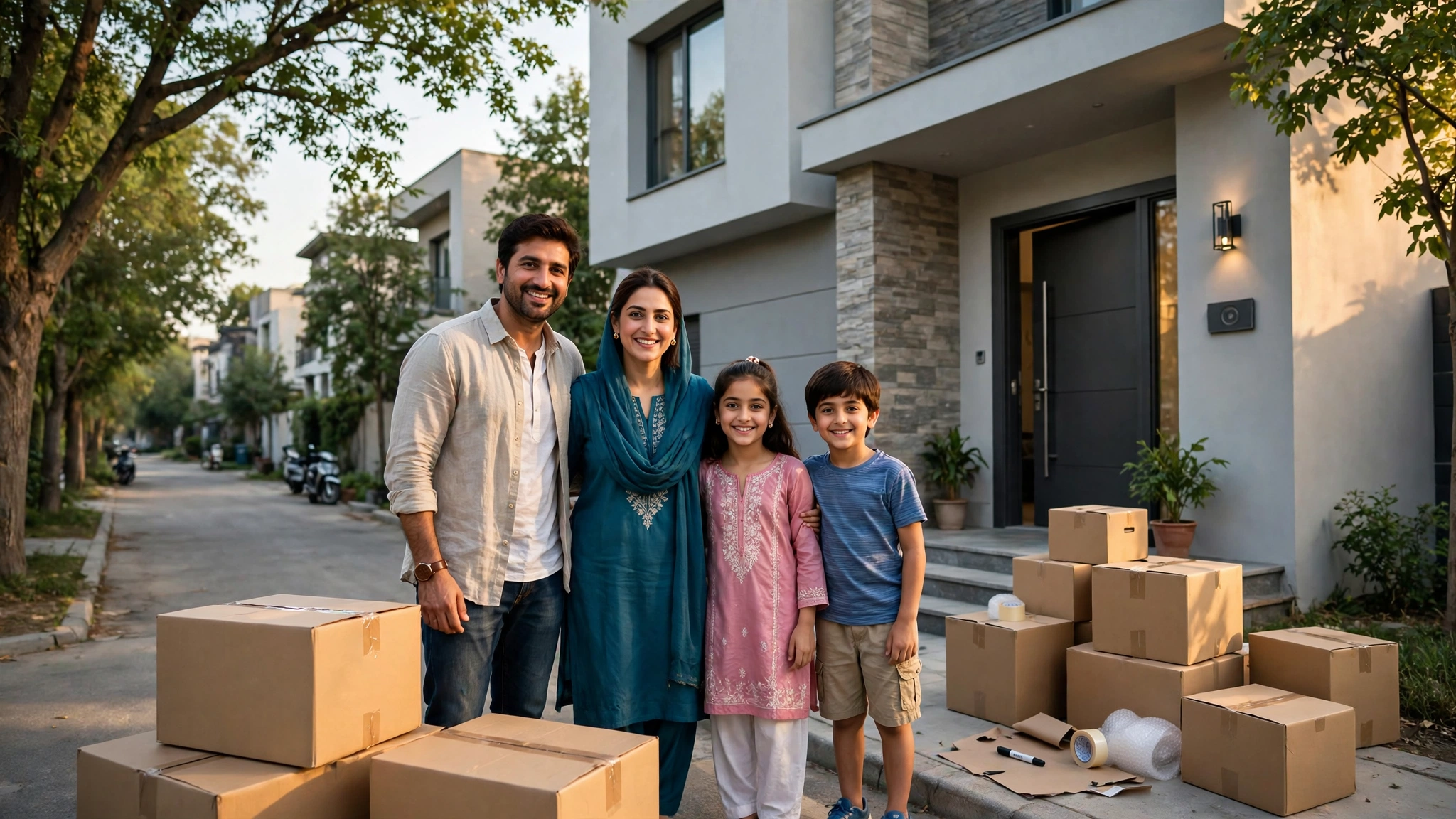
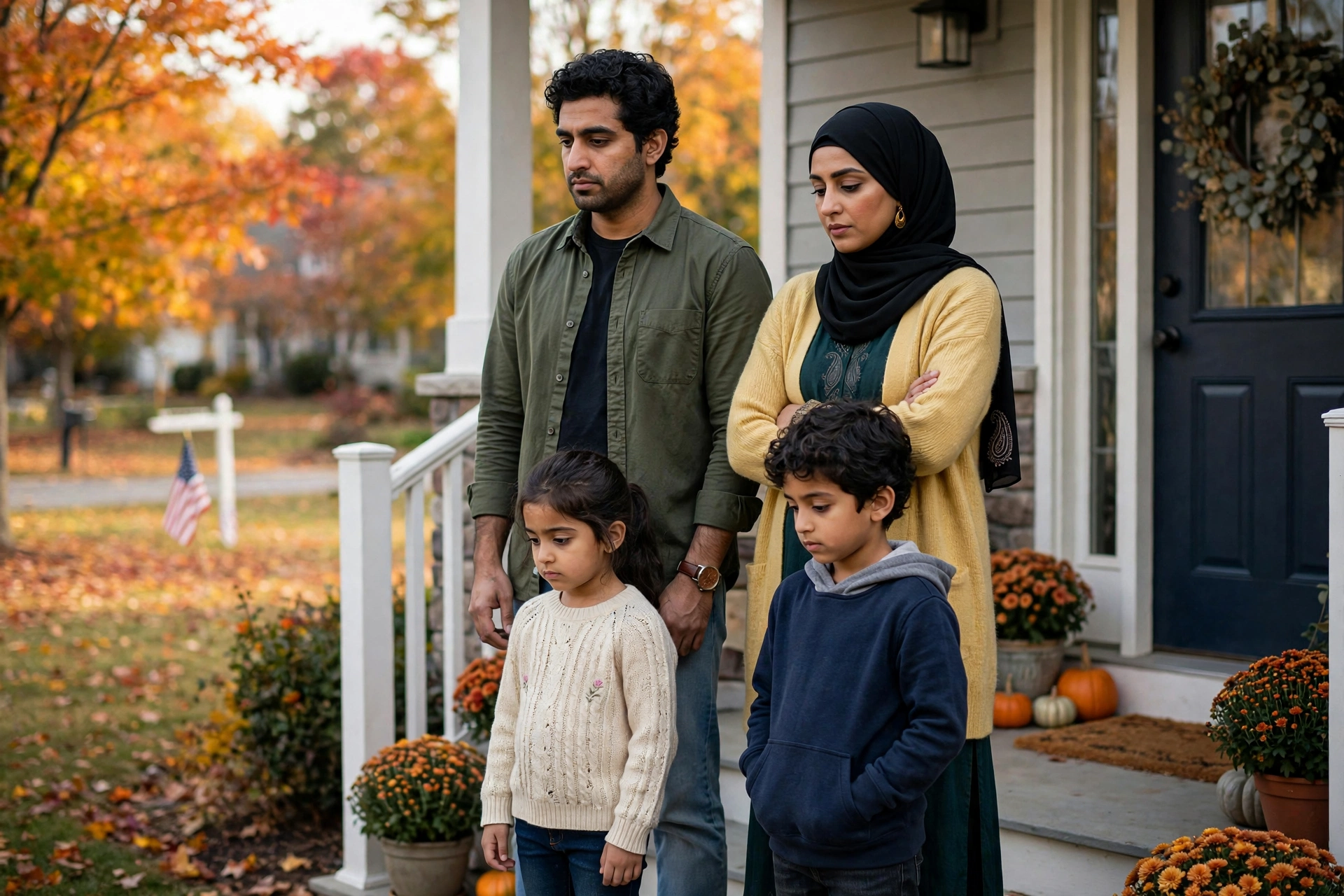
If you're a Pakistani living in Houston, New Jersey, Chicago or the Bay Area, you've probably had this conversation at a dinner table recently. Someone says rent is dead money and you should have bought years ago. Someone else says rates are too high and only a fool buys now. Then an uncle asks why you aren't buying a plot in DHA instead. All three have a point. In early October 2026, the average 30 year fixed mortgage rate climbed to 7.28%, its highest level since November 2023, up from 7.03% just a week earlier. That one number has changed the math for a lot of families. So let's actually do the math.
Where the US market stands right now
Here are the numbers that matter, from the latest reports available as of early October 2026:
- Mortgage rates: 7.28% average on a 30 year fixed as of 1 October 2026, compared with about 6.34% a year earlier.
- Home prices: the National Association of Realtors put the August 2026 median existing home price at $429,100, up 1.6% from a year earlier.
- Supply: NAR reported 4.9 months of supply in August, which it described as the highest in over ten years. More homes to choose from usually means more room to negotiate.
- Price cuts: Realtor.com reported that 20.8% of active listings had a price reduction in September 2026, the highest share in nearly four years.
- Rents: Realtor.com's rent report put the national median asking rent for smaller units (0 to 2 bedrooms) at $1,667 in February 2026, down 1.7% from a year earlier and the lowest since March 2022.
Put simply: borrowing has become more expensive, prices are still slightly up nationally but softening in many cities, and rents have been flat to falling. That combination tends to favour renters in the short run, but not always.
The monthly math at 7.28%
Let's take a house at the national median of $429,100 and look only at the monthly principal and interest on a 30 year loan at 7.28%. These are rounded estimates for illustration, and they don't include property tax, homeowners insurance, HOA fees or mortgage insurance, which can add a lot depending on your state.
For comparison, a full percentage point lower, at 6.28%, the 10% down payment would drop to roughly $2,385 a month. That gap of about $250 a month is what the recent rate jump costs you on a typical home.
Now compare that with rent. A median priced house and a median rented apartment aren't the same thing, so the fair test is to compare the house you'd buy with the rent on a similar house in the same neighbourhood. Once you add taxes and insurance, in many US cities owning a median home costs noticeably more each month than renting something similar. The difference is the price you pay for equity, stability and protection from future rent hikes.
When buying in the US makes sense
You're staying put. Buying and selling a home in the US carries real transaction costs: closing costs, agent commissions and moving. Those usually take several years of ownership to earn back. If you're sure you'll live in the same area for five to seven years or more, buying gets much easier to justify.
Your job and status are settled. Green card holders and US citizens generally have the widest mortgage options. Many lenders also lend to people on valid work visas such as H1B, but requirements vary from lender to lender, so check with a few before you start house hunting. If your visa situation is uncertain, a 30 year commitment carries more risk.
You can buy without stretching. If the monthly cost leaves comfortable room for savings, family support back home and emergencies, the rate is less of a problem. Many buyers also plan to refinance if rates fall later. That can work, but nobody can promise when or whether rates will drop, so make sure the payment works at today's rate.
Halal financing matters to you. Several Islamic home finance providers in the US offer structures designed to avoid conventional interest. Costs and terms differ from regular mortgages, so compare them carefully rather than assuming one is cheaper.
When renting is the smarter call
You might move. A new job in another state, a possible return to Pakistan, or a move to the Gulf all argue for keeping your options open.
Your down payment is thin. Putting 3.5% down at 7.28% means the highest monthly payment and very little cushion if prices dip in your area. With price cuts at their highest level in nearly four years, some local markets could still soften.
Your city is cooling. Realtor.com's September data showed price per square foot falling year over year in 37 of the 50 largest US metros, with Austin, Tampa and San Francisco among the steepest drops. In markets like these, waiting and renting may let you buy cheaper later. But that's a possibility, not a promise.
The option many Pakistani Americans overlook
Here's what we hear from clients in the US more and more: "I'll keep renting here for now, but I want my savings to work somewhere." Some put their down payment money into a property abroad that earns rent while they decide on a US home.
Two places come up most. The first is Dubai, where US citizens and residents can buy freehold property in designated areas, off plan payments go into regulated escrow accounts, and rent is collected in dirhams, which are pegged to the US dollar. Our guide on whether foreigners, including Americans, can buy property in Dubai covers the rules, and our Dubai rental yield guide shows what different areas typically earn. The second is back home in Lahore, for families who plan to return or want a base in Pakistan. Our step by step guide for overseas Pakistanis explains NICOP, power of attorney and how to buy without being there. If you're weighing the two, our Dubai vs DHA Lahore comparison lays them side by side.
This isn't a replacement for owning the home you live in. It's a way to stop your savings sitting idle while US rates are high. Every market has risks, including currency moves and local regulations, so please speak with a qualified tax advisor about how foreign property affects your US taxes and reporting before you buy.
So, buy or rent?
If your status is settled, you plan to stay in your city for years, and the payment fits comfortably at 7.28%, buying in 2026 is still a reasonable decision, especially with more homes on the market and sellers more willing to cut prices. If any of those three is shaky, renting a while longer is not a failure. It's a choice that keeps your options open, and your savings can still grow, whether in the US or in a property back home. I'm not a financial advisor, so treat this as a framework, not personal advice. If you'd like to explore the Dubai or Lahore side of the picture, our team works with Pakistanis in the US every week.