



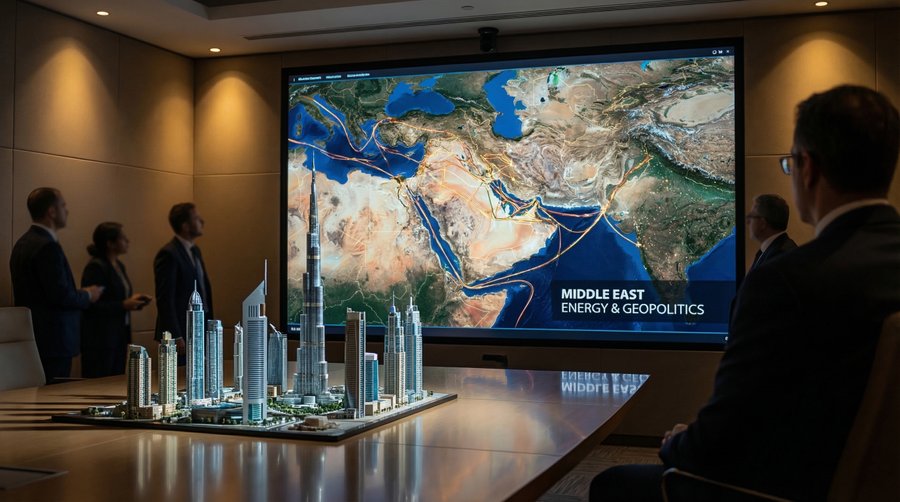

Iran–Israel War: Impact on Gulf Countries and the Real Estate Market
Geopolitical conflicts in the Middle East rarely stay confined to borders. When tensions rise between Iran and Israel, the entire region feels the shockwaves. Gulf economies, global energy markets, and real estate investment flows can all shift quickly.
For investors, developers, and overseas buyers, understanding these effects is critical. The Gulf region, particularly the UAE and Saudi Arabia, has become one of the most attractive real estate investment destinations in the world. Any regional instability can influence market confidence, property demand, and investment strategies.
This article explains how a potential Iran–Israel conflict could impact Gulf countries and what it means for the real estate market.
How the Iran–Israel Conflict Affects Gulf Countries
1. Regional Security Concerns
The first and most immediate effect of any Iran–Israel escalation is increased security risk across the Middle East. Gulf countries such as the UAE, Saudi Arabia, Qatar, Bahrain, and Oman are geographically close to potential conflict zones.
Investors and multinational companies begin reassessing risk levels when military tensions rise. Even if Gulf countries are not directly involved, missile threats, drone attacks, or disruptions to infrastructure can create temporary uncertainty.
This uncertainty often leads to cautious investment behavior. International investors may pause large transactions until the situation stabilizes.
However, Gulf governments have historically maintained strong internal stability, which helps prevent panic in financial and property markets.
2. Oil Price Volatility
The Middle East controls a large portion of global oil supply. Any conflict involving Iran immediately raises concerns about disruptions to oil shipping routes.
One of the most critical locations is the Strait of Hormuz, a narrow waterway through which a large percentage of the world's oil exports pass. If tensions escalate and shipping routes become threatened, global oil prices can rise sharply.
For Gulf economies, this situation can actually create financial strength. Countries like Saudi Arabia, UAE, and Qatar benefit from higher oil prices, increasing government revenues.
Higher oil income allows governments to continue infrastructure development, megaprojects, and urban expansion. These projects directly support real estate markets.
3. Impact on Tourism and Aviation
Tourism is another pillar of Gulf economies, especially in cities like Dubai, Abu Dhabi, and Doha.
During periods of geopolitical tension, tourism bookings can slow temporarily. Some airlines may adjust routes, and international travelers may postpone visits until the situation becomes clearer.
Since hospitality and tourism are closely tied to real estate development, particularly in Dubai, a short-term slowdown in travel can slightly reduce demand for short-term rental properties and hotel apartments.
However, Gulf tourism historically rebounds quickly once stability returns.
Impact on the Gulf Real Estate Market
1. Short-Term Market Caution
During geopolitical uncertainty, investors often enter a wait-and-see phase.
This usually leads to:
- Slower property transactions
- Increased price negotiations
- Delays in some off-plan project launches
Mid-range investment properties often experience the most hesitation, as these buyers are more sensitive to market conditions.
However, this slowdown is usually temporary rather than structural.
2. Luxury Real Estate Often Remains Strong
Interestingly, luxury real estate markets often remain stable even during geopolitical tensions.
High-net-worth individuals frequently move capital into tangible assets during uncertain periods. Real estate in globally recognized cities like Dubai is considered a safe place to store wealth.
Dubai offers several advantages for global investors:
- Zero property tax
- Strong legal framework for foreign buyers
- Long-term residency through property investment
- High rental yields compared to many global cities
Because of these factors, luxury villas and premium apartments often maintain strong demand even during global uncertainty.
3. Investment Opportunities During Uncertainty
Periods of geopolitical tension sometimes create temporary buying opportunities.
Some investors exit markets quickly due to fear, while developers may offer promotional pricing or flexible payment plans to maintain sales momentum.
For long-term investors, this can create attractive entry points in strong markets like Dubai, Abu Dhabi, and Riyadh.
Experienced investors understand that real estate markets often reward those who buy during periods of uncertainty rather than during market hype.
Possible Impact on Pakistan's Real Estate Market
The effects of Middle Eastern conflicts can also indirectly influence Pakistan.
Many overseas Pakistanis live and work in Gulf countries. If regional tensions affect business environments, investment flows may shift.
Some investors may redirect capital toward real estate in Pakistan, particularly in cities like Lahore, Islamabad, and Karachi.
However, rising oil prices could also increase construction costs globally. Materials such as steel, cement transportation, and fuel-related logistics may become more expensive.
This could raise property development costs in many countries, including Pakistan.
Final Thoughts
The Iran–Israel conflict has the potential to create short-term uncertainty across the Middle East. However, Gulf economies are highly resilient due to strong financial reserves, stable governance, and energy wealth.
For real estate markets, the most likely scenario is temporary caution rather than long-term collapse.
Mid-market segments may slow briefly, but premium real estate in global investment hubs like Dubai typically remains strong.
For investors who understand market cycles, geopolitical uncertainty can sometimes present strategic buying opportunities rather than risks.
In real estate, patience and timing often separate average investors from successful ones.