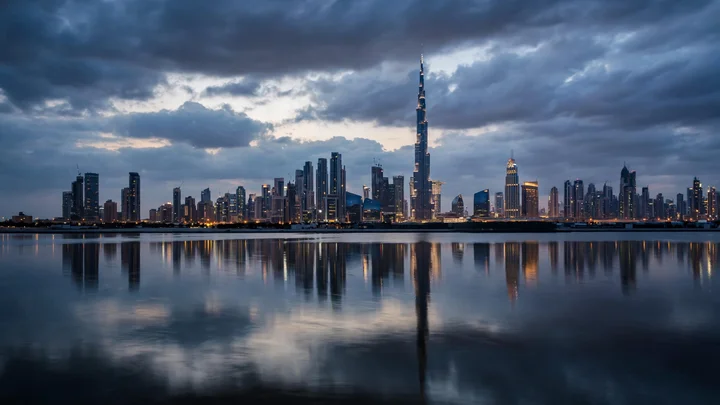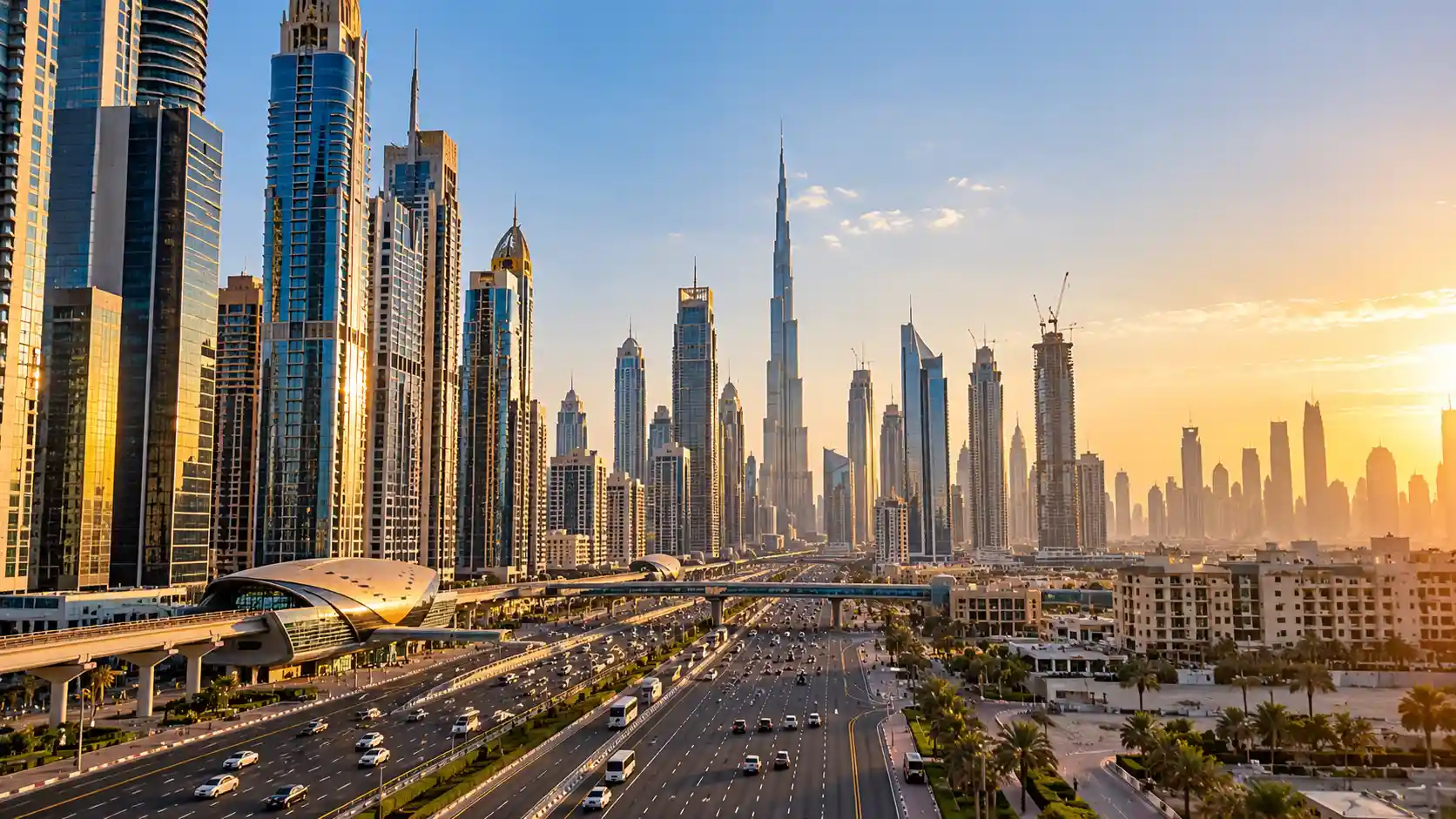
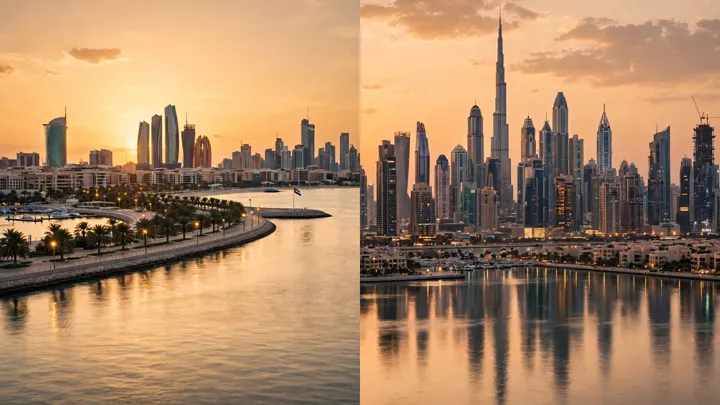
Two emirates, two very different quarters. Between July and September 2026, Abu Dhabi recorded 6,085 home sales. Dubai recorded roughly 34,000. On volume alone, it isn't close. But Abu Dhabi's average off plan deal was about AED 5 million, up 40% on a year earlier, while Dubai's market was being carried by studios and one bedrooms. So the question isn't which emirate is "better". It's which one fits the size of cheque you're actually writing. For most overseas Pakistanis, that answer is clearer than the headlines suggest.
Abu Dhabi in Q3: fewer deals, bigger tickets
According to Savills, as reported by Gulf News in October 2026:
Prices rose too. Savills put apartments at about AED 22,700 per square metre (roughly AED 2,100 per sq ft), up 9% year on year, and villas and townhouses at about AED 18,200 per square metre (roughly AED 1,690 per sq ft), up 8%. Saadiyat Island apartments were far higher, around AED 43,100 per square metre.
Read that together and the picture is simple. Fewer people bought, but the people who did bought bigger, more expensive homes, mostly off plan, and a lot of them at the luxury end.
Dubai in Q3: more deals, smaller cheques
Dubai had a slower quarter than last year, which we covered in Dubai Q3 2026: crash or correction? Cavendish Maxwell reported about 34,000 residential sales worth more than AED 72.6 billion, down 38% in volume and 47% in value year on year, with off plan at 72% of deals. That works out to an average of a little over AED 2.1 million per deal, less than half Abu Dhabi's off plan average.
And the volume is concentrated at the affordable end. Developer studio sales were up 26% in the first eight months of 2026, according to fäm Properties, and the busiest areas in recent weekly data were Jumeirah Village Circle, Dubai South and Jebel Ali. See our latest weekly market report.
Why the two markets are moving differently
Abu Dhabi's market is smaller and more focused. A large share of activity sits in a handful of premium island communities like Saadiyat and Yas, sold off plan by a few big developers. When those launch, the averages jump. Foreign buyers also play a bigger role than many assume: Savills put their share of transaction value at about 70% in the first half of 2026.
Dubai is broader. It has more developers, more communities and far more product under AED 1 million. That depth is why it sells more homes even in a weak quarter, and why it's more exposed to waves of similar supply in areas like Dubai South.
What it costs to buy in each
One clear difference is the transfer fee. Dubai Land Department charges 4% on sales. Abu Dhabi's registration fee is generally reported at 2% of the price, often split between buyer and seller, though you should confirm it for your specific purchase. On a AED 2 million home, that gap is real money.
Other costs, like agent commission on resale, service charges and mortgage fees, are broadly similar in structure. For Dubai's full list, see our guide to service charges and what a DEWA bill really includes.
And the Golden Visa threshold is the same across the UAE: property worth AED 2 million or more, subject to conditions.
So, where should an overseas Pakistani look?
If your budget is under AED 1 million, Dubai, almost every time. That's where the product is. Studios from around AED 644,000 and one bedrooms under AED 1 million are easy to find, with 1% monthly payment plans. Our guide to SAMANA projects by budget shows real examples, like South Haven 2 and Downtown One.
If you're spending AED 2 to 5 million or more, Abu Dhabi deserves a serious look. Rising prices, a smaller supply pipeline (Savills expects about 68,000 new units by 2030) and lower transfer costs make it a credible alternative, especially for a family home or a Golden Visa purchase.
If you need liquidity, Dubai's deeper market is easier to sell into. A AED 700,000 apartment in a busy Dubai community will usually find a buyer faster than a AED 6 million island villa anywhere.
My honest view? For most of our clients from Pakistan and the Gulf, Dubai remains the practical first purchase, and Abu Dhabi is a second step once the budget grows. Don't let one quarter's headlines push you into a market that doesn't match your money.
Whichever emirate you choose, do the basics: vet the developer (here's how), read the reservation terms before paying (see our booking refund guide), and run conservative rent numbers. Our Dubai team can help you compare options in both emirates. This is general information, not investment advice.